
OUR SOLUTIONS FOR REMOVAL OF LARGE SCORCH
Large slags are essentially residues of molten and hardened metal (slag) that form after plasma or oxy-fuel cutting. This slag is found on the internal and external contours of the workpiece.
The Hammerheads system was specifically designed to remove heavy slags in a single pass. The unit consists of flexible, replaceable rods mounted in line on a slide that hammer the slags, ensuring a high-quality removal process.
Discover our range of machines for perfect slag removal
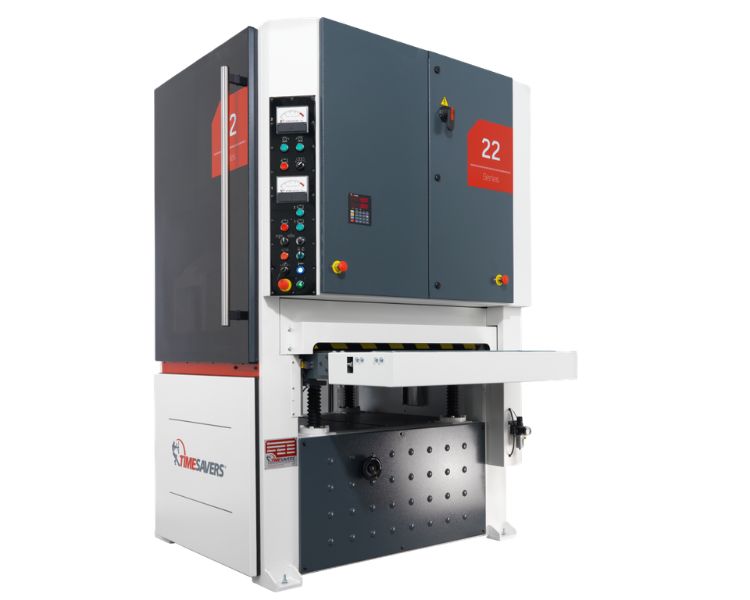
Series 22
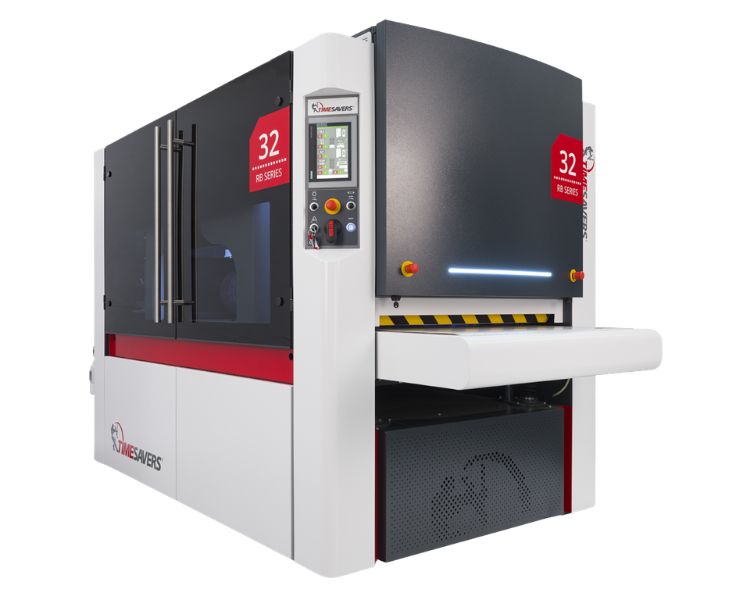
Series 32 Rb
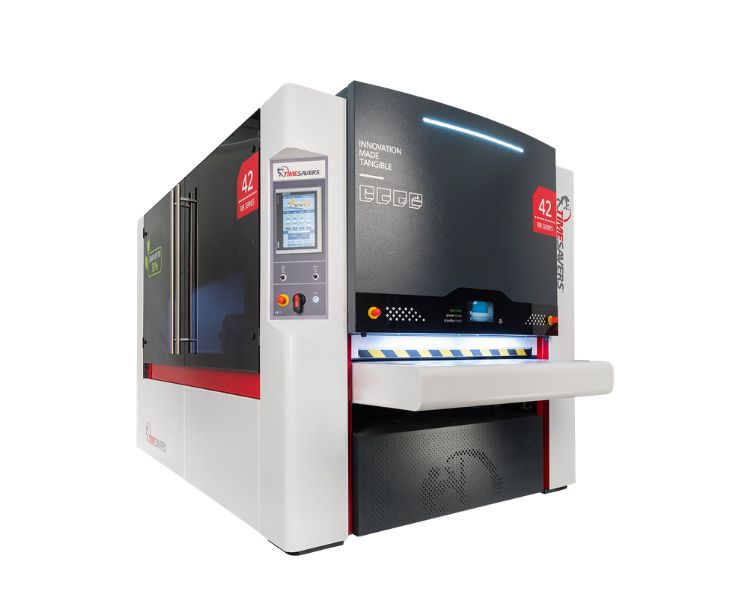
Series 42 Rb
Spare parts
Find the spare parts that fit your machines
Access spare parts
Turnkey solutions
Optimize your industrial processes with complete and high-performance integrated systems
Services
Our team supports and assists you to ensure the efficiency and sustainability of your installations.
News & Events
Meet our experts and discuss your projects at our upcoming events.
Knowledge base
Benefit from our experience to better understand and effectively use our machines
Examples of parts processed
Frequently asked questions about the removal of large slag
Slag is a residue of molten metal that solidifies and adheres to a workpiece after thermal cutting, such as plasma or oxy-fuel cutting. These deposits are often very hard and must be removed to ensure a clean and safe surface.
Light slag consists of fine, superficial residues that are relatively easy to remove.
Heavy slag consists of thick, very solid deposits, often bonded to the workpiece, and requires more intensive mechanical action to remove.
This involves removing particularly thick metal deposits generated by thermal cutting. This operation requires tools or machines capable of breaking or scraping these residues without deforming the part.
Slag can be removed manually using a hammer or knife, but this method is time-consuming, physically demanding, and can lead to injuries due to the repetitive motion. A mechanical solution, such as the Hammerhead system, allows for the quick and efficient removal of all slag.
Manual slag removal is time-consuming and energy-draining; therefore, using a deburring machine is ideal for optimizing the process, reducing operator workload, and increasing workshop productivity.