
OUR FINISHING SOLUTIONS
The finishing process is a common operation in the treatment and preparation of metal surfaces.
Sanding helps remove impurities and surface defects such as scratches, burrs, and unevenness, thus improving the appearance and quality of the surface.
It also allows for a precise surface finish, with the desired level of gloss or roughness. Different grits can be used to adjust the finish, from a very smooth surface to a slightly rough one, depending on specific requirements. These different finishes can be achieved using abrasive belts, Scotch-Brite pads, and/or brushes.
Sanding improves the quality and aesthetics of the part by removing imperfections and producing a more pleasant surface to the touch, while also increasing the functionality of the finished products. This is particularly important, even crucial, for parts that are visible or will be handled.
Discover our range of machines for a perfect surface finish
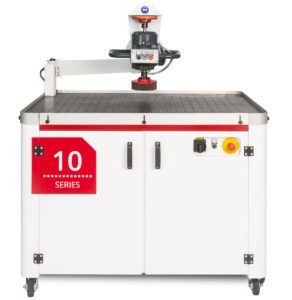
Series 10
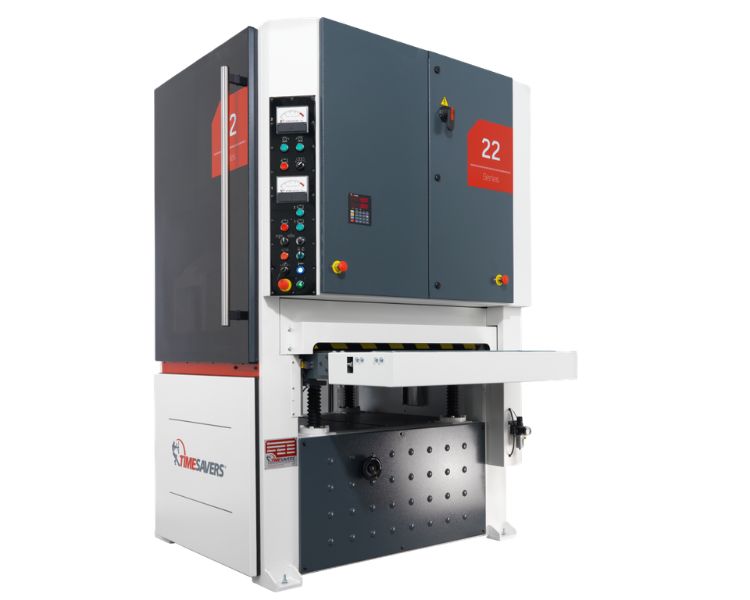
Series 22
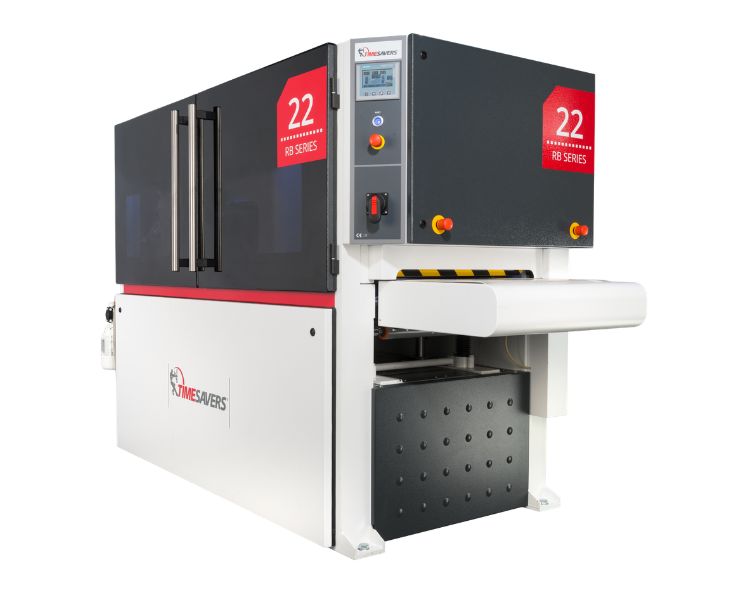
22Rb Series
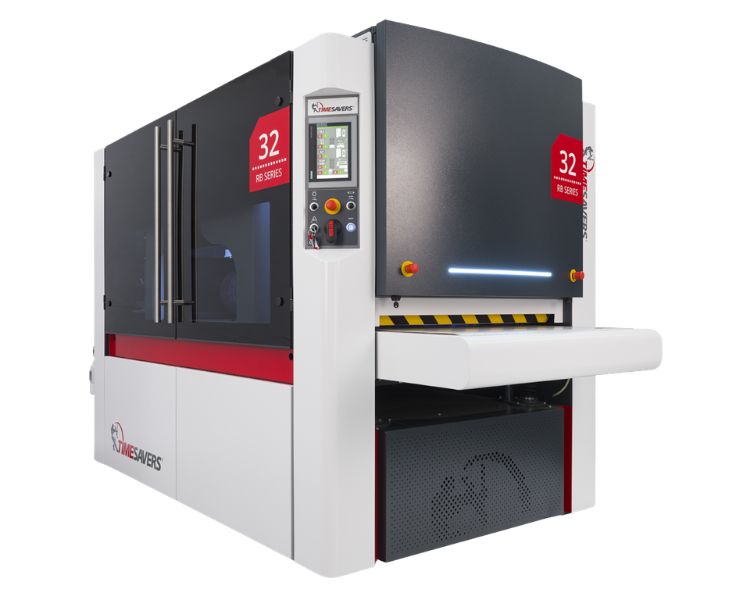
Series 32 Rb
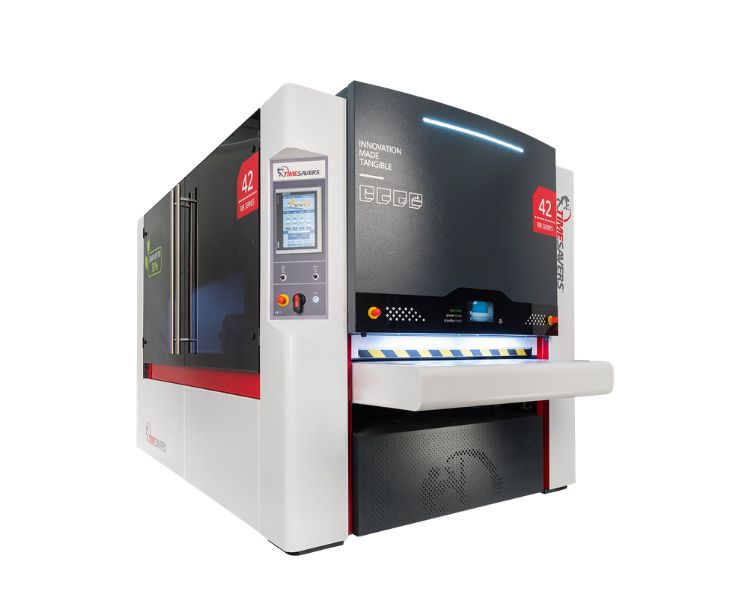
Series 42 Rb
Spare parts
Find the spare parts that fit your machines
Access spare parts
Services
Our team supports and assists you to ensure the efficiency and sustainability of your installations.
Knowledge base
Benefit from our experience to better understand and effectively use our machines
Examples of parts processed
Frequently asked questions about the finish
Applying a finish to metal serves several purposes, which vary depending on the part's intended use. It is not solely a matter of appearance and purely aesthetics, but can also meet strict technical requirements, depending on the type of part and its final application.
Aesthetic reasons
For some metal parts, the finish is primarily visual:
■ To uniform the appearance of the surface
■ To remove machining marks, scratches or minor defects
■ To give a satin, brushed or matte appearance
In these cases, non-woven materials or rotary brushes are often used, which are sufficient when functional requirements are limited.
Functional and technical reasons:
For metal plates and coils, finishing is not just about aesthetics:
■ Achieving controlled surface roughness (low Ra)
■ Improving adhesion of subsequent treatments (painting, coating, bonding)
■ Ensuring good mechanical properties
■ Guaranteeing consistency for automated industrial processes.
These requirements generally necessitate the use of multiple abrasive belts, allowing for removal
Reasons for quality and durability:
A suitable finish also contributes to:
■ Reducing stress concentration areas
■ Limiting the occurrence of corrosion
■ Improving the lifespan of parts
Depending on the use and purpose of the product, it is possible to choose a directional finish (visible lines, marked orientation) or a non-directional finish (homogeneous surface, without a preferred direction), with a finish ranging from matte or glossy, or even highly reflective.
Our deburring and finishing machines are designed to efficiently process a wide variety of metals and sheet metal. The most commonly deburred materials are mild steel, stainless steel, and aluminum.
However, our equipment is also capable of working on other metals and finishes, including copper, zinc-coated sheets, Zintec, galvanized sheets, and plated parts.
Thanks to the use of a wet extraction unit, it is even possible to safely process highly flammable metals.
When only steel is being processed, a less maintenance-intensive dry dust extractor can be used. The machine also performs an automatic cleaning cycle every 4 hours to ensure optimal operation.
Note: To prevent cross-contamination when processing different metals, most of our customers use several pairs of dedicated brushes.